Saarburg
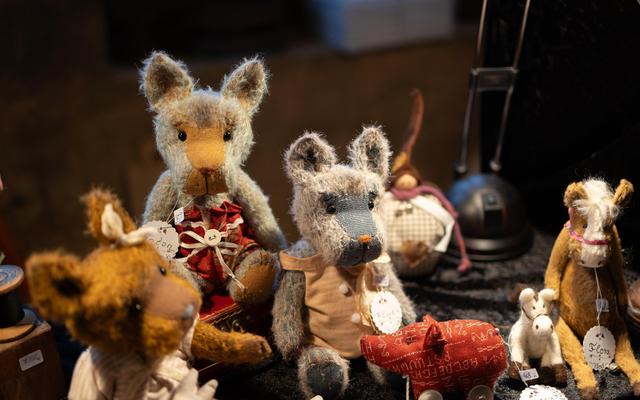
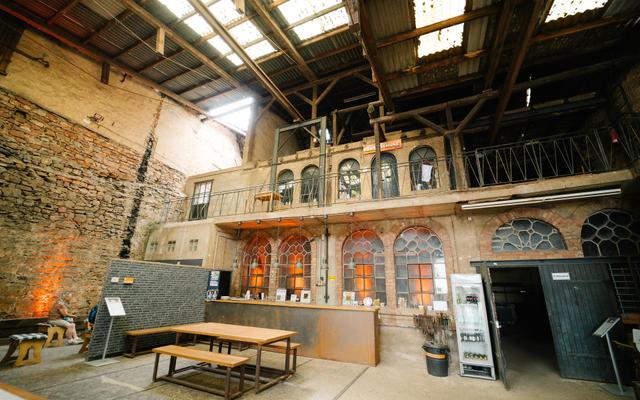
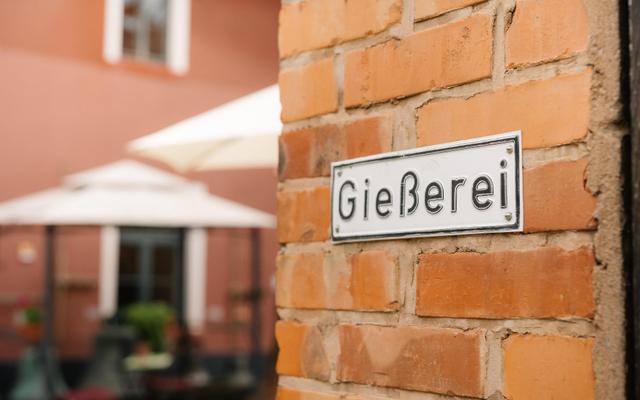
A Christmas market from around 1900. Warm light, festive decorations, and the exhibitors in their lovingly designed costumes create an atmosphere reminiscent of Charles Dickens' England, infused with fine steampunk elements. The Victorian Christmas Market Saarburg takes you on a nostalgic journey to England around 1900. Within the historic walls of the KulturGießerei, an atmosphere styled entirely after Charles Dickens emerges with costumed market vendors, artistically designed stalls, and loving details. Shining gears, shimmering copper, and imaginative decorations meet British delicacies and handcrafted, traditional products. Christmas scents and elaborately designed Victorian costumes of all participants reflect the splendor of Victorian times. Victorian market stalls: - A variety of useful and decorative items - Christmas gifts - Antiques and curiosities - Arts and crafts - Literature and stationery - Patchwork, garments, and soap - Soul food and drinks Participants: - Dr. Mabros Wonder Workers: Playing with the boundaries between technology, science, and magic. - Jingle Bells Style-Room-Agency: Open photoshoot from the year 1900 with costumes and accessories. - Bagatello: Close-up magic. - Neighbourmoodwings: Atmosphere under the Christmas tree. - Jingle-Bells-Singers: Singing Christmas carols together with the street act choir. - The Jingle Brass-Band Company: Festive brass music (new in 2026). - Bell Bakery and Café Urban: British delicacies tempt with their aroma. Admission is free. Donations are welcome and
Lecture series on civil courage “Resistance and Solidarity”. With films, discussion evenings, and lectures addressing forms of resistance against injustice and acts of solidarity, the initiative “Eyes Open Against Antisemitism and Other Forms of Group-Based Hostility” of the Local Alliance for Family e.V. aims to inspire courage for the questions of our time. Solidarity instead of silence. The lecture highlights the solidarity of many residents of Greimerath with their Jewish fellow citizens. René Herrmann, who grew up there, shares in interviews the good relationship his family had with the village population. Even after 1933, daily life remained friendly at first; René remembered a carefree school time without distinctions between Jewish and non-Jewish children. It was only late that the family recognized the danger. Until the Reich Pogrom Night in 1938, there were no open attacks. During the pogrom, the Greimerath SA refused to participate, but SA men from neighboring towns attacked the family. Father, uncle, and brother Bernhard were arrested, the house was looted and later sold under duress. In 1941, the family was deported to Riga, and later transferred to Stutthof. Only the mother, René, Kurt, and Bernhard survived. In 2009, Stolpersteine were laid for the family, and in 2018 René and Kurt were awarded honorary citizenship of Greimerath. Admission is free!
Lecture series on civil courage "Resistance and Solidarity". With films, discussion evenings, and lectures that deal with forms of resistance against injustice and with acts of solidarity, the initiative "Eyes Open Against Antisemitism and Other Forms of Group-Based Hostility" of the Local Alliance for Family e.V. aims to encourage reflection on the issues of our time. Cereals, oil, flight, and resistance – the history of a German-Jewish family. Alexander Schumitz is a journalist. In his lecture, he tells the story of his family and simultaneously paints a panorama of German-Jewish economic and social history. It deals with taboos, courage, and resistance – and the question of why this history continues to resonate up to the present day. His father, born in 1919, is the illegitimate son of the Jewish merchant Max Brandenstein. Before World War I, he takes over the grain trade with his brother in Halle. In the mid-1920s, he enters the international oil business. After the Nazis come to power, the family loses their fortune. Max Brandenstein and relatives succeed in fleeing to Israel, Chile, and the USA. The son of Max Brandenstein is scarcely aware of all this: His mother cut off contact with the father in the early 1920s. At the end of 1939, he is drafted into military service. Secretly, he passes military secrets to the resistance and is arrested by the military police in 1943. Suddenly, death threatens him. The admission is free!