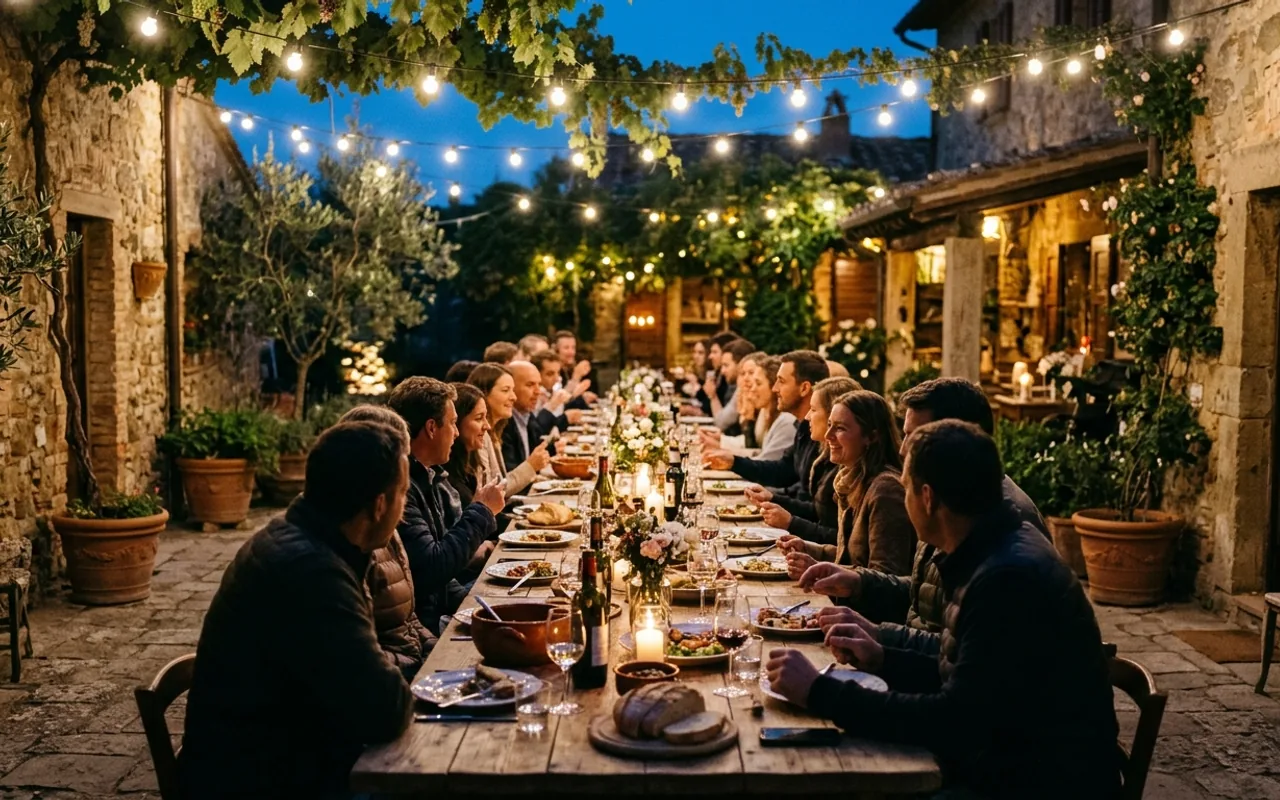
Discover concerts, nightlife, dining, culture and events in Berching.
Parish Church of the Assumption of Mary into Heaven (patronal feast on 15 August) As early as 1488, the present parish church of Berching is referred to as a "capella" ("Our Dear Lady"). Thanks to various endowments, several extensions to the church could be made in the 16th century; with the consecration of three new altars in 1519, it was first given the title Church of Our Lady as the "new parish church of Berching" (until then, the parish church of Berching had been St. Lawrence in the suburb). The church building as it appears today dates from the years 1755 to 1760. Anyone entering the parish church of "the Assumption of Mary into Heaven" through the south or north portal is surprised by the spaciousness and brightness of the church interior. This is thanks to the genius of the Eichstätt court architect Maurizio Pedetti (1719–99), who arranged for the building to be widened. At the center stands the six-column high altar with the tabernacle. The high altar painting shows the Assumption of the Mother of God Mary into Heaven (Willibald Wunderer, 1779). It is flanked by the two larger-than-life figures of the diocesan patrons Willibald and Walburga. The two wooden side altars in front of the free-standing piers of the church house, on the right, an altarpiece with the Fourteen Holy Helpers (by W. Wunderer), flanked by statues of Anne and Joachim; on the left, the Last Supper, flanked by John the Baptist and Moses. In the two side chapels are smaller altars with paintings by Chrysostomus Winck; in the northern chapel, an altarpiece with St. Joseph, Anthony of Padua
Even today, Berching, designated a monument town, still has a completely preserved town wall from the 15th century with 13 towers and four gates. With its charming town stream, spacious squares, imposing burgher houses and dreamy lanes, Berching invites you to take a leisurely stroll through times gone by. You should by no means miss a walk along a section of the historic defensive wall that is open to the public! The 13 towers, with evocative names such as Powder Tower, Bailiff's Tower, Women's Tower, Bath Tower, Sculptor's Tower, etc., are all different! You can also listen to a short story about the Bath Tower on the audio guide. Behind the town hall is the Baroque parish church of the Assumption of Mary, with a high altar supported by six columns and a Baroque organ case from the 18th century. The Suburb is the oldest district, with the parish church of St. Lawrence, which was consecrated around 1060. The church contains valuable panel paintings from the Danube School. Berching's St. Lawrence Church has a valuable historic three-bell peal with the strike tones F sharp', B', and G''. The bells date from the 14th and 15th centuries. During Lent, the Mount of Olives devotions are held here every year.
The Guild Fountain is a tribute to the achievements of a flourishing craft in the well-protected town of Berching. A craft that developed out of the burgher class, building on traditions, protected and promoted by the secular lords, the Bishops of Eichstätt. A solid base of Jurassic stone forms the foundation and catch basin for the fountain and the water that gushes from it. The stele rising from the base symbolizes the towers and walls that surround Berching and under whose protection craft and the burgher class developed. The figure of the bishop recalls Berching's affiliation with the Diocese of Eichstätt until 1803. The diamond emblem below symbolizes Berching's belonging to the culture and people of Bavaria. A pike, piercing the tower, leaves room for reflection on the peculiarities of Berching's citizens. A coppersmith, with his tool - his chasing hammer - in hand, represents the craft that shaped Berching. Two tow horses show Berching's location on the canal and the trade associated with it. They bridge to the former salt and wine route. A waterwheel recalls Berching's location on the Sulz and the driving force of water. The water that drives the wheel symbolizes life, movement, and connection to the world. The fountain was created by the Lower Bavarian sculptor Alfred Böschl.
Since 1997, Plankstetten Monastery and Riedenburger Brauhaus have been linked by a close partnership with a shared goal: an organic-regional circular system in which resources are used sustainably and by-products are put to good use. This collaboration produces four distinctive monastery beers, brewed at Riedenburger Brauhaus with grain from Plankstetten Monastery. Nestled in the attractive landscape of the Sulz Valley between Berching and Beilngries lies Plankstetten Benedictine Abbey. To this day, it is the home and place of work of a living Benedictine monastic community. The monastery cultivates its fields according to the strict guidelines of Bioland and is recognized as a certified Bioland operation. The grain used comes from certified organic farming and forms the basis for the high-quality monastery beers. Anyone who would like to enjoy the beers in a special atmosphere is warmly welcome at the monastery tavern. For enjoyment at home, the monastery beers are also available in the monastery shop.
During the reconstruction, Prince-Bishop Marquard Schenk von Castell and Austrian monasteries provided assistance. The basic layout of the medieval complex was retained. Although no evidence of authorship by Jakob Engel has yet come to light, the stylistic features are so unmistakable that scholars do not doubt it. Under Abbot Romanus Dettinger (1694-1703), the old abbot’s residence was demolished and replaced in 1696 by a larger, more representative priory, located to the west of the church. A stuccoed hall displays his coat of arms and allegories of the cardinal virtues. The guest building, a two-winged complex forming the western inner courtyard, was erected in 1699. It is characterized by a corner turret typical of Engel and by a portal with pilaster articulation and a broken pediment. The façade is painted in illusionistic style and shows the same window design typical of Engel as at Greding Castle. The wing, which was used for school purposes in the 20th century, contains a banquet hall with a stucco ceiling made up of acanthus tendrils and symbolic depictions of the four seasons. Some of the elaborate Baroque door surrounds have been preserved.
In our monastery shop, you will find, in addition to the full organic market range, all seasonal products from our monastery’s own garden and agriculture. Passing various monastery specialties from the distillery, brewery and monastery kitchen, you then reach the “Delights” section. Here you will find fresh baked goods from monastery bread to sweet cookies, all made from organic monastery grain. A well-stocked sausage and meat counter offers monastery-produced butcher’s products. The range is complemented by a well-stocked organic cheese counter. Visit us and let yourself be tempted by our delicacies. Combine your visit with a stop at our inn and round off the day with a visit to our monastery church, our exhibitions, our bookshop and the mission bazaar. # Memberships - Bioland Other Vouchers (redeemable at all monastery businesses) ## Service - Regional gift baskets - Farm shop
Discover 6 curated Community & Social events and highlights in Berching on Viventii with times, venues, and tickets. Current highlights include Parish Church of the Assumption of Mary, Historic Old Town, Guild Fountain at the Town Hall.
Viventii currently lists 6 public events, concerts, parties, cultural happenings, and local spots in Berching, including Parish Church of the Assumption of Mary, Historic Old Town, Guild Fountain at the Town Hall.
Use Viventii's curated Today, Tonight, Weekend, This Week, Leisure, and Places guides for Berching.
Yes, browse free admission events at /en/cities/Berching/free and 0% fee tickets at /en/cities/Berching/tickets.