Discover concerts, nightlife, dining, culture and events in Heidelberg.
The Heidelberg Ice Rink is a popular attraction during the Christmas season in Heidelberg. Visitors can go ice skating here in a festive atmosphere and enjoy the winter mood in the city. The Heidelberg Ice Rink is set up every year during the Christmas season in Heidelberg and is a popular meeting place for locals and visitors alike. The ice surface invites both young and old to go ice skating together and experience the special winter atmosphere. The ice rink is part of the festive atmosphere surrounding the Heidelberg Christmas Market and offers a lovely way to combine physical activity with a visit to the city decorated for Christmas.
The Max Berk Textile Collection in Heidelberg presents historical textiles and garments from various centuries and vividly illustrates the development of textile and cultural history. The textile collection was founded in 1978 by the Heidelberg industrialist Max Berk. Picturesquely located in the Neckar Valley, the textile collection has been affiliated with the Kurpfälzisches Museum since January 1, 2002. It is housed in the former Protestant church of Ziegelhausen, built in 1733 by J.J. Rischer, together with the adjoining rectory. The exhibition area today covers approximately 600 m². The museum is divided into several collection areas, some of which are not always on display, such as the extensive holdings of women’s costumes from the 18th to the 20th century or a small collection of dollhouses and doll rooms. In the areas open to visitors, one finds exhibits from outside Europe, such as textiles from India, batiks from Java, ikats from Bali, and Peruvian burial finds, as well as antique patchwork quilts from England and the USA from the 19th and 20th centuries, which form one of the main focuses of the Max Berk Textile Collection. A particularly attractive draw, however, is the regularly held special exhibitions, such as the European Quilt Triennial.
The Carl Bosch Museum in Heidelberg offers its visitors over 300m² of insights into the life and discoveries of Nobel Prize winner Carl Bosch.
The German Packaging Museum is conveniently located in Heidelberg's Old Town. Here you can see a unique collection of interesting and sometimes astonishing goods packaging in a lovingly restored "emergency church". Located in the heart of Heidelberg's old town, the - first and only - German Packaging Museum is housed in the rooms of a former emergency church. Lovingly renovated and equipped with state-of-the-art infrastructure, the building is a real gem that is worth a visit from an architectural point of view alone. In its rooms, the museum shows the packaging of goods as a reflection of the cultural development of our society. The diverse functions of packaging are presented as well as its historical development: packaging as the result of a creative and artistic achievement. Different exhibition areas present packaging as the result of constant change: artistic and technical innovations have influenced the design of packaging at all times. The history of industrial goods packaging is also a history of our everyday lives in the 19th and 20th centuries. A number of packaging designs can be traced back to important artists of their time, are real "works of art" and are not just collector's items, but have long been a recognized part of art and design history. Technical innovation has always had a new face over the past hundred years. The German Packaging Museum therefore also shows those "milestones" that impressively illustrate the varieties of human imagination and creativity through unusual or inventive packaging solutions, and reviews the past with brands that are
The Heidelberg Zoo with its beautiful tree population is a popular excursion destination for the whole family. A safari through the zoo: over 160 different animal species from all over the world invite you on an exciting journey of discovery at Heidelberg Zoo. The red pandas like to spend the day high up in the branches and the Sumatran tigers love to roam through the dense bamboo forest in their enclosure. It's hard to miss the bright orange and red Cuba flamingos on their lake or the Asian elephants, who like to cool off in the bathing pool in summer. Just like the pair of Barbary lions Chalid and Binta, the maned seals are particularly popular with visitors. Twice a day, except Fridays, there is a commented feeding and training session at the seal enclosure. Visitors to the zoo can find out lots of information about the maned seals and the work of the zookeepers. A wide range of activity days and events at Heidelberg Zoo provide variety throughout the year. For families with children, the large play ship "Arche", the climbing towers and the two water playgrounds are popular stops on a visit to the zoo. With its didactic concept, Heidelberg Zoo focuses on experiential education: On tours with the Heidelberg Zoo School, children and adults alike learn exciting facts about the animals at Heidelberg Zoo. Scientific phenomena can be explored in the Explo Heidelberg technology and exhibition area. Admission to the Explo exhibition is already included in zoo admission.
The opening hours can be found on the homepage at [http://www.uni-heidelberg.de/einrichtungen/museen/](http://www.uni-heidelberg.de/einrichtungen/museen/).
While rivers generally lose beauty the closer they get to their mouth, the Neckar becomes more beautiful. Over a length of 50 km, it cuts through the Odenwald, carving deeply into the red sandstone and forming bends and loops. The steep slopes rise directly from the riverbed, reaching a height of more than 400 m above the valley floor; mighty rock faces have the warm red hue that is also found at Heidelberg Castle and the Old Bridge. On the Neckar, boat trips run daily between Easter and October from Heidelberg to Neckargemünd or further on to Neckarsteinach and back. A special water experience in Heidelberg is a ride on the world's largest solar catamaran. There is also a Neckar ferry that serves various landing stages in Heidelberg hourly, departing from the Old Bridge. It becomes romantic on the Nepomuk Terrace at the Old Bridge: at Heidelberg's love stone, lovers can attach a love lock as a symbol of their eternal fidelity.
# BODY WORLDS Museum in Heidelberg - On the trail of happiness Great love, a carefree life, true friendship ... Everyone strives for happiness. But where does happiness live? Why can't we get enough of it? And why can't we keep happiness forever? The KÖRPERWELTEN Museum in the Altes Hallenbad explores these and other questions about happiness. It is not only dedicated to the anatomy of humans, their organ functions and questions about health, but also the anatomy of happiness. Gunther von Hagens and Angelina Whalley are presenting their exhibition on the human body, which was specially designed for Heidelberg, on an area of around 1000 m² in the former men's pool of the old indoor swimming pool. It is a reminder of what is our most precious asset: our own body. The aim of the exhibition is to show visitors the complexity of the human body in a lifelike way and thus sensitize them to their own body in all situations and phases of life. The exhibition is based on Gunther von Hagens' invention of plastination. The scientist invented the preservation process back in 1977 at the University of Heidelberg and has been perfecting it ever since. His plastinates impress with their extremely precise, scientifically sound preparation as well as their creative, aesthetic and often unusual form of presentation. More than 45 million people around the world have already been inspired and fascinated by the KÖRPERWELTEN exhibitions, 10 million of them in Germany alone. Never before has an exhibition moved the public so much and changed their view of their own physicality so lastingly as
A sun-drenched natural balcony with an abundance of exotic plants. Here you can relax on one of the benches or on the beautiful lawns and get some fresh air while enjoying the view. Due to the mild climate along the Philosophenweg, many plants from subtropical areas (e.g. almond trees, lemon trees and gingko trees) thrive here and have become native to this area.
We would like to inspire you with elegance and speed, precision and vision at our falconry center. In short: everything that has feathers! We look forward to welcoming not only our adult visitors, but especially our younger guests! For many years, our small falconry on the Königstuhl has been delighting visitors with its unique charm. Perched high above Heidelberg, it offers a unique nature experience. We bring you up close to birds of prey that are otherwise rarely seen and explain their special way of life. Because not all birds of prey are the same birds of prey: the range of feathered hunters extends from the small colorful falcon to the large eagle. Each has developed its own unique strategy for catching prey: watch the daring dives of our falcons, listen to the silent flight of the owls, and find yourself face to face with a bald eagle. At our falconry center, we want to inspire you with elegance and speed, precision and foresight. In short: everything that has feathers! We look forward to welcoming not only our adult visitors, but also our younger guests, whom we want to give the opportunity to feel how soft an eagle owl's feathers are. Would you like to come with a tour group, celebrate your (children's) birthday with us, or plan your next corporate event? No problem! We would be happy to arrange appointments for special flight demonstrations tailored to your needs. Just give us a call.
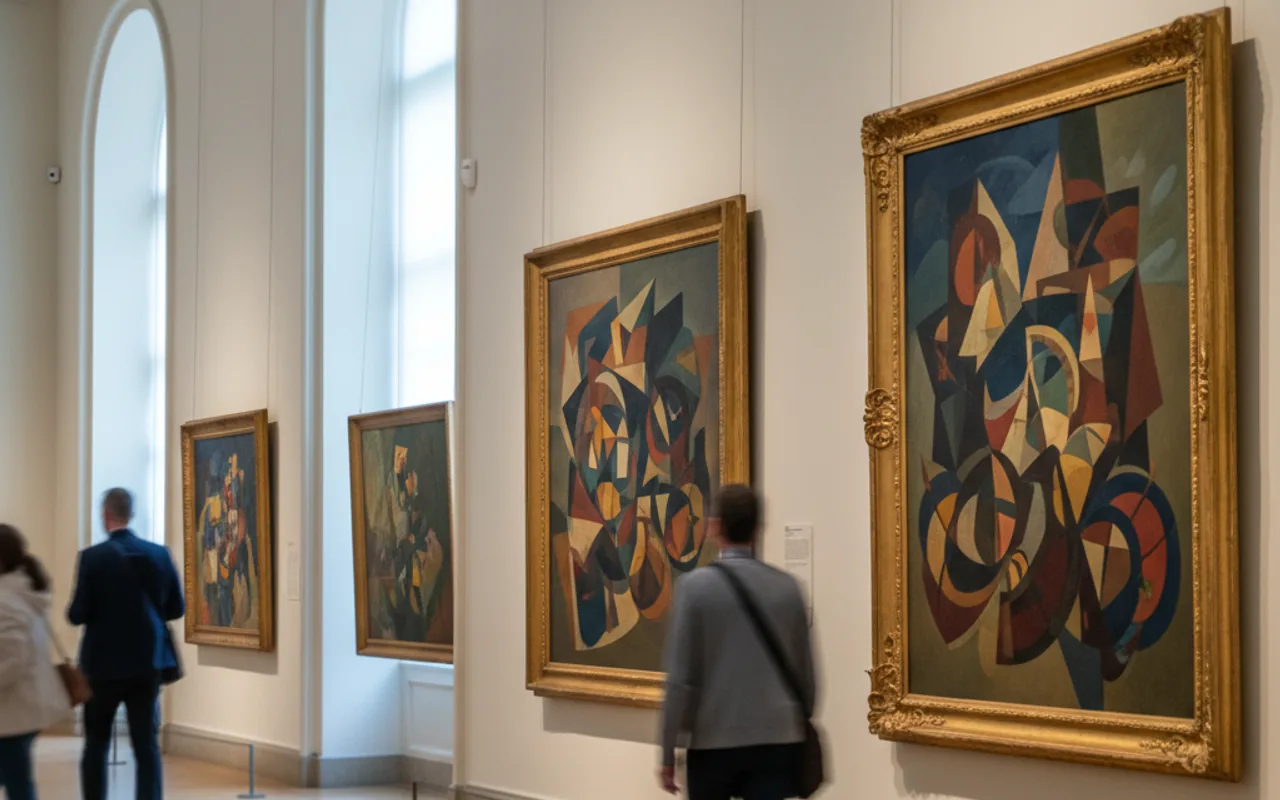
The Prinzhorn Collection is a museum for art by people with exceptional mental experiences. Its well-known historical collection comprises around 6,000 works created by inmates of psychiatric institutions between 1840 and 1945. This globally unique collection was largely compiled by the art historian and psychiatrist Hans Prinzhorn (1886-1933) during his time as an assistant doctor at the Psychiatric Clinic of Heidelberg University. The best-known artists/authors in the historical collection include Else Blankenhorn, Franz Karl Bühler, Karl Genzel, Paul Goesch, Emma Hauck, August Klett, August Natterer, Agnes Richter, Joseph Schneller, Barbara Suckfüll and Adolf Wölfli. The history of the collection In 1919-21, Hans Prinzhorn wrote letters to psychiatric clinics in German-speaking countries with the then clinic director Karl Wilmanns, requesting artistic patient works for the establishment of a museum for psychopathological art. In 1922, Prinzhorn published his richly illustrated study "Bildnerei der Geisteskranken" based on the collection, which appealed to many art lovers and artists of his time and became the surrealists' pictorial bible. Reprinted several times and translated into various languages, the book remains a classic. In 1938, clinic director Carl Schneider donated works from the collection to the traveling exhibition "Degenerate Art". In the exhibition, they are misused as pathological comparative material for modern art. Forgotten after the war, the collection was rediscovered by Harald Szeemann in 1963. He shows a selection at the Kunsthalle Bern
The Electoral Palatinate Museum is one of the major cultural institutions in the city of Heidelberg. It brings together unique collections on the history of the Electoral Palatinate, which for many centuries was one of the most important German territories and made world politics, most recently in the conflicts of the Thirty Years' War and in the military conflicts with Louis XIV in the War of the Palatinate Succession. A wealth of objects convey history and life stories. The precious collection of Frankenthal porcelain and the silverware of the last Electress Elisabeth Augusta point to the splendor and desire for representation of the court, but also to an undisturbed economic growth in the 18th century, which was only interrupted again by the Napoleonic Wars. The historical change is shown in the portrait of the Electress in her old age, who presents herself as a citizen in discreetly dark clothing. Paintings run through the entire museum like a common thread. In the Electoral Palatinate section, the outstanding protagonists of regional history are presented in the form of a portrait gallery, including the "Winter King" Frederick V with his wife Elizabeth Stuart, "Liselotte of the Palatinate" and the court jester Perkeo. The holdings of the archaeology department, which are presented on two floors, date back many thousands of years. The eventful history of Heidelberg is documented from the Palaeolithic Age (homo heidelbergensis) to the days of the Electoral Palatinate residence. This brings 600,000 years of human history to life far beyond the local region. The Roman per
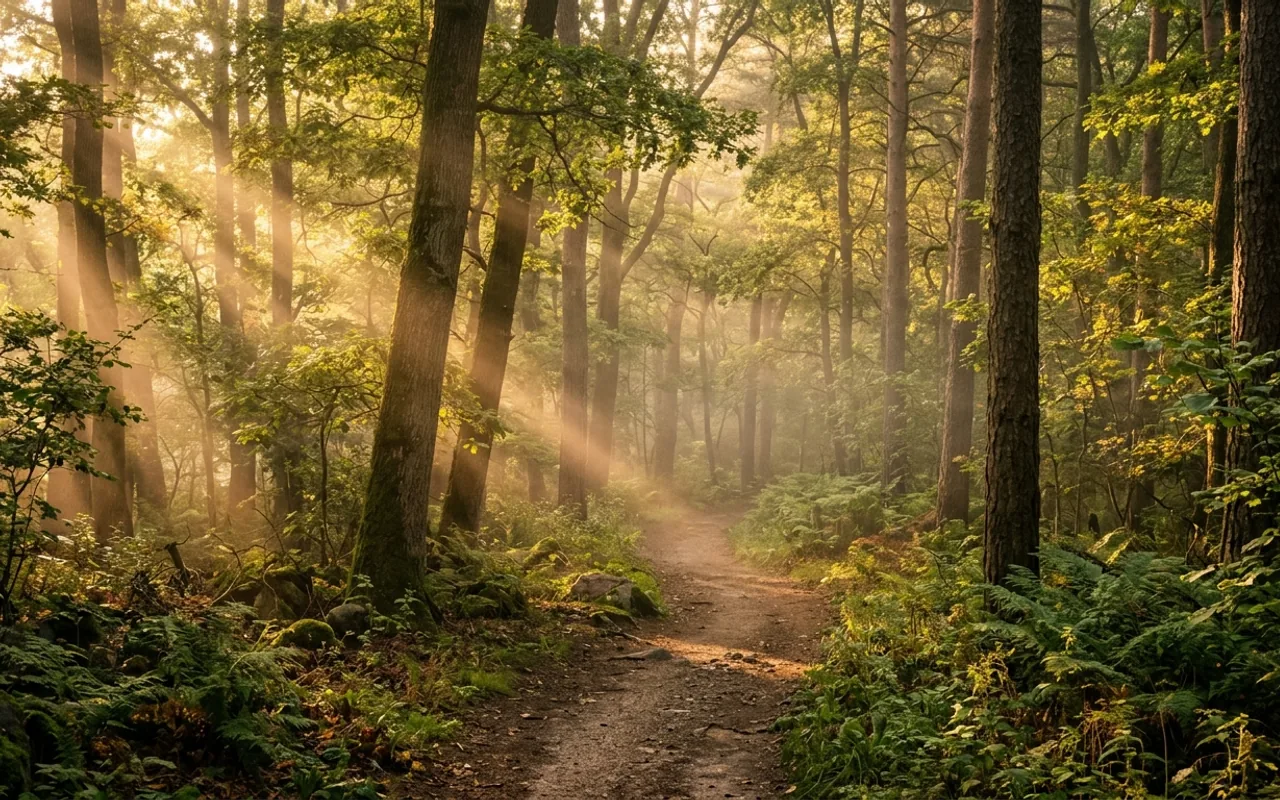
Heidelberg City Forest Themed and nature trails The Heidelberg City Forest covers an area of 3331 hectares. The aim of forest management is to ensure ecological, economic and social sustainability in equal measure. Heidelberg is committed to the principles of near-natural and sustainable forest management and has been awarded various forest certifications. Hikers and recreationists can experience the forest directly from the city: Many signposted (circular) hiking trails lead to attractive viewpoints. Special themed and adventure trails provide a wide range of information for visitors to the forest. The Via Naturae on the Königstuhl aims to help people understand the forest as part of the natural basis of life with numerous picture boards. The forest adventure trail, which is primarily aimed at children, also begins on the Königstuhl. It leads into the depths of the forest, where adventures big and small await. You can experience the world of the forest with all your senses and can look forward to seeing what you encounter along the approx. 2-kilometer trail (also suitable for baby carriages). If you would like to take part in a guided hike with a group, you can choose from a wide range of options: Guided tours to the Felsenmeer and the arboretums, hikes on geological topics, a herb hike and much more are offered by "Naturally Heidelberg". The municipal event program "Naturally Heidelberg. Experience the forest - experience nature" also offers over 160 leisure activities in the forest and nature. (Natürlich Heidelberg, 06221/5828333, [natuerlich@heidelberg.de](mailto:nat
Discover 13 leisure activities, outdoor spots, sports, museums, and workshops in Heidelberg for today or this weekend. Current highlights include Heidelberg Ice Rink, Max Berk Textile Collection, Carl Bosch Museum Heidelberg.
Explore 13 leisure activities across outdoors, sports, exhibitions, workshops, and cinema in Heidelberg, such as Heidelberg Ice Rink, Max Berk Textile Collection, Carl Bosch Museum Heidelberg.
Open our places and attractions guide at /en/cities/Heidelberg/poi for opening hours and addresses.
Yes, visit /en/cities/Heidelberg/kinder for curated kid-friendly outings and family workshops.